The team
This is a clinical product before it is a software product.
Care management is a medical discipline. What to ask, what counts as a warning sign, and when to escalate are clinical judgments, so our physicians make them, not software. They wrote and govern the clinical logic behind every check-in. The rest of the team builds, funds, and runs VitalityCall day to day.
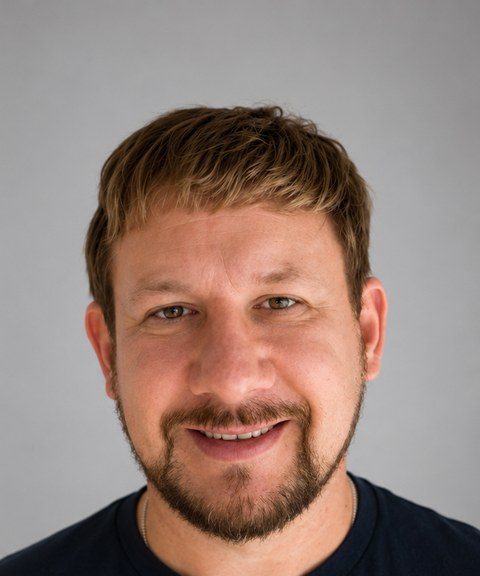
Dr. Richard Ferrans brings more than 30 years of experience at the intersection of medicine, data, and technology, with deep expertise in population health management, health systems leadership, and value-based care. He has held senior executive roles including Chief Medical Officer, Chief Executive Officer of a Medicare Accountable Care Organization, and health system Vice President.
Read more
Dr. Ferrans has spent his career aligning clinical excellence with scalable technology and analytics, leading large-scale clinical integration initiatives, advanced care management models, and enterprise health IT strategy across Medicare Advantage, Medicaid, and accountable care arrangements. His work has spanned the design and deployment of health data platforms, clinical analytics, and health information exchange supporting complex patient populations. He is widely known for translating complex clinical, regulatory, and data environments into practical, high-impact solutions that improve outcomes and drive sustainable value-based transformation.
At VitalityCall Health, Dr. Ferrans provides strategic and clinical leadership to advance technology-enabled care delivery at scale. He has served on numerous boards across healthcare, technology, and laboratory services, including Medicare Value Partners, Presence Health Partners, Alverno Laboratories, Presence Saint Mary's & Elizabeth's Hospital, Labnetics, Avreo Inc., and the Mississippi State Health Information Exchange. He is a member of the American Medical Association, the Florida Medical Association, and the American College of Physicians.
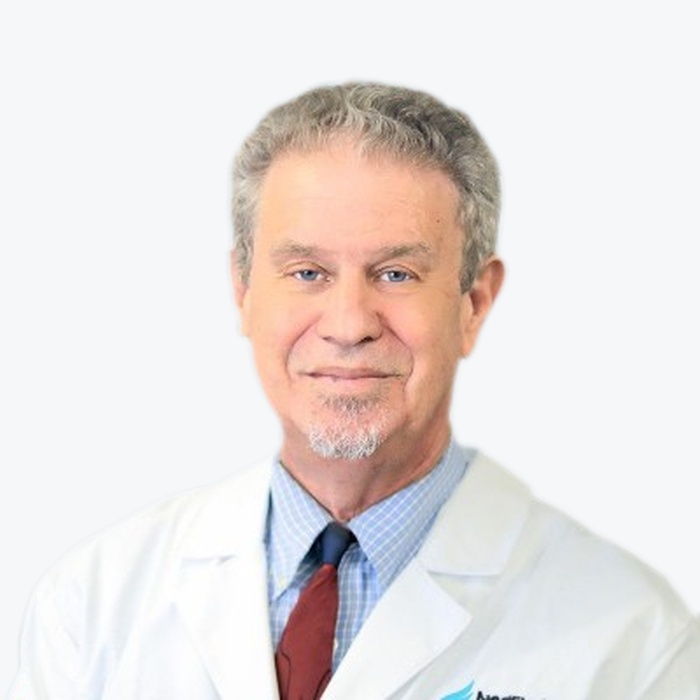
A physician executive and value-based care specialist with more than 27 years of experience developing primary care networks and advancing population health. His work focuses on building safe, reliable care networks that exceed value-based payment requirements while improving the transition between patients and physicians.
Read more
Dr. Zucker has led medical affairs and health services organizations across South Florida, including serving as Executive Vice President of Health Services at ilumed and Chief Medical Officer at Medical Consultants Management, Accountable Healthcare of America, the Palm Beach Accountable Care Organization, and MetCare. He has also worked as an independent consultant supporting physician organizations and value-based care initiatives.
Throughout his career, Dr. Zucker has focused on helping primary care physicians become ready for MSSP ACO, Medicare Advantage, and commercial value-based care models. His approach emphasizes physician engagement, motivation, active participation, and the development of integrated networks that leverage high-performing primary care practices.
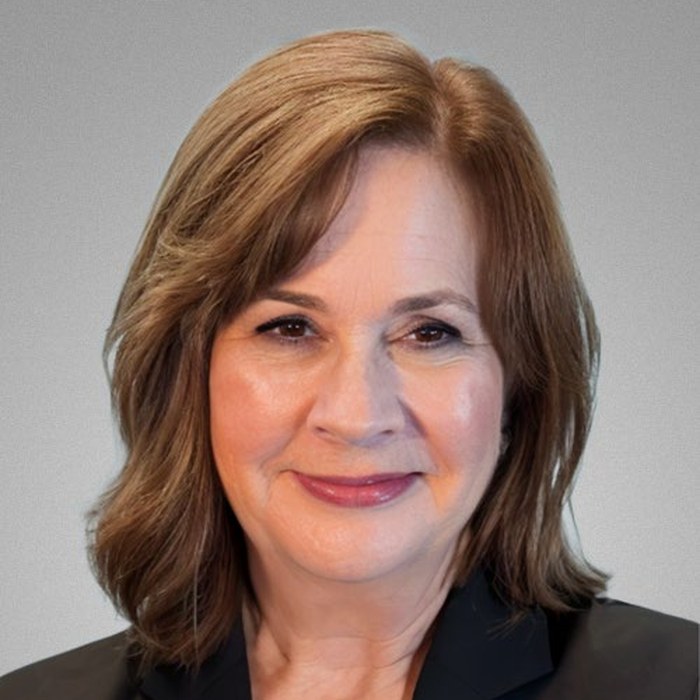
A physician leader with over 25 years of experience in academic medicine and health care systems leadership. Her clinical background in Internal Medicine informs her view of the changes needed in health care and medical education.
Read more
In past roles as Dean at the Boonshoft School of Medicine at Wright State University and Senior Vice Dean for Educational Affairs at Drexel University School of Medicine in Philadelphia, Dr. Weber led undergraduate and graduate medical education programs, expanded programs addressing the physician workforce shortage, and developed community-academic partnerships with regional health systems, including new clinical campuses. She also has leadership experience in integrated delivery systems, including a decade at Geisinger Health System, now part of Risant Health, where she led clinical redesign initiatives and one of the first EPIC clinical implementations in the United States.
Dr. Weber has served as Principal Investigator for federal grants and contracts spanning medical education, informatics, quality improvement, and geriatrics, and has received awards for patient satisfaction and community service, including the Philadelphia Business Journal Best of Healthcare Award and the University of Pennsylvania Community Service Award.
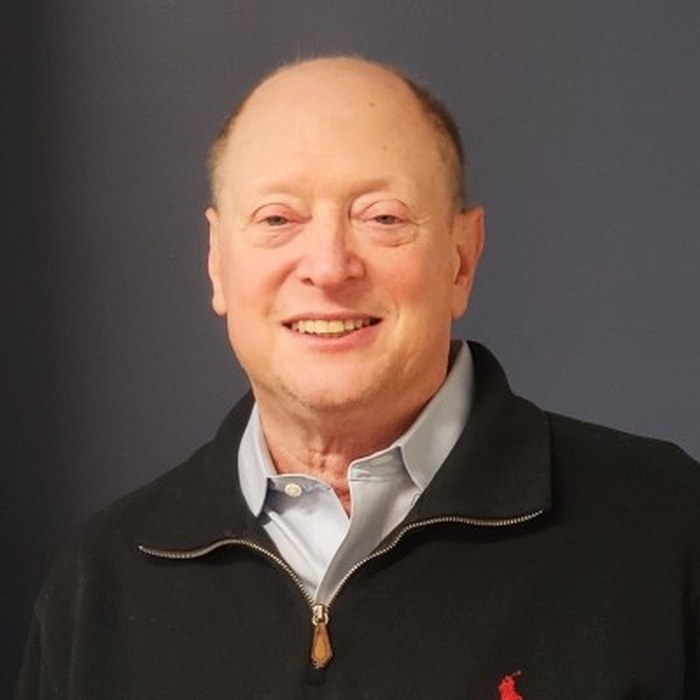
A physician executive, healthcare innovator, and advisor with extensive experience leading academic medical centers, health systems, physician enterprises, and healthcare technology organizations, focused on improving health outcomes and reducing cost of care.
Read more
Dr. Goldstein currently serves as a Venture Partner with Dria Ventures, an early-stage venture capital firm focused on addressing the root causes of high costs in health and productivity. Previously, he served in senior leadership roles at Yale New Haven Health System, including Senior Vice President of the Aligned Clinician Enterprise, Interim President of Northeast Medical Group, and Vice President and Chief Medical Officer of Northeast Medical Group. He also served as Clinical Professor of Surgery at Yale School of Medicine, President of Central Maine Medical Group, Vice Dean for Clinical Affairs at the University of Louisville School of Medicine, and Professor of Surgery at the University of Louisville.
Dr. Goldstein has also been a healthcare technology founder and executive, including as Chief Executive Officer of Bento Biology Platforms and Co-Founder of EduMedics, now Sentry Health. His leadership experience spans clinical operations, medical education, physician alignment, surgical oncology, and the development of technology-enabled care models.
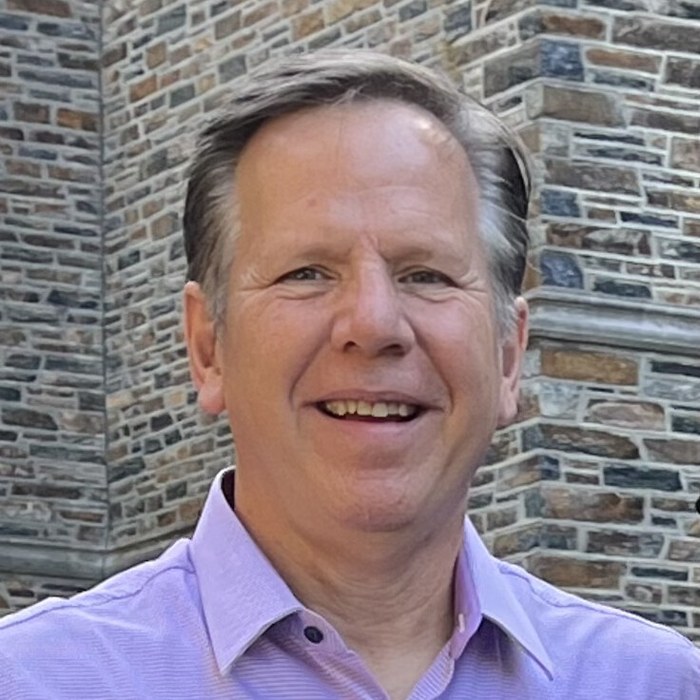
A private practice psychiatrist with 33 years of experience in the Baltimore region, including work as an addictions specialist across a variety of public and private settings.
Read more
Dr. Ferrans has worked in hospitals, inpatient and outpatient rehabilitation centers, correctional facilities, and private group practice settings. He has served as a consultant to third-party payers for utilization review, as well as the Maryland MedChi Impaired Physicians Program and local county health departments.
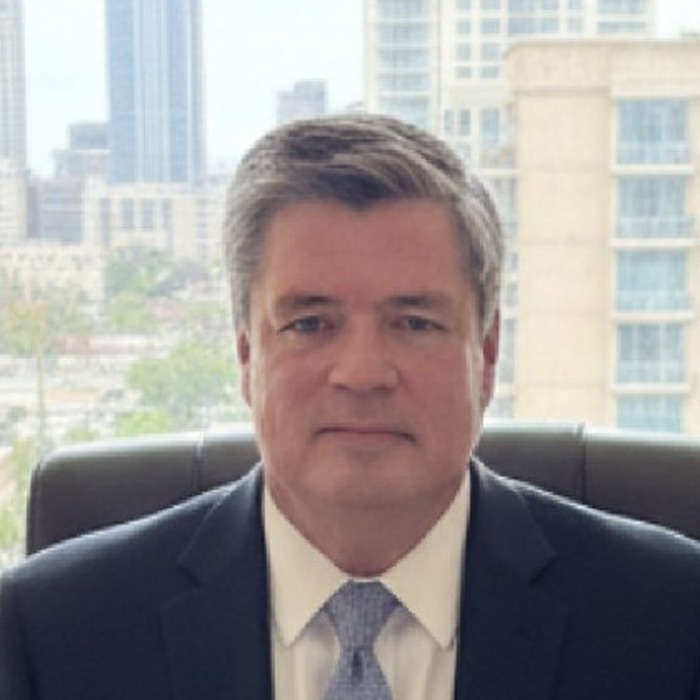
Christopher Landrum is the Founder of VitalityCall Health, where he is building the technical foundation for proactive, AI-driven patient care. A serial technologist with over 18 technology patents, Christopher has spent his career at the leading edge of how people and businesses interact with emerging systems, and he is now applying that same instinct to healthcare.
Read more
Christopher's career has been defined by getting to the frontier early. He developed the world's largest digital menu system and one of the first digital signature capture technologies used in retail point-of-sale, work that helped establish how businesses and customers interact at scale. At VitalityCall Health, he architected the platform from the ground up, and is now leading the integration of some of the most advanced technology in the AI health space, including video-based voice biomarker analysis, AI-driven behavioral credibility modeling, and passive signal detection designed to surface early warning signs long before a crisis develops.
He also leads inSessions, a mental health assessment platform built in partnership with the U.S. Navy Chaplain Corps to support the wellbeing of active-duty service members. Christopher's work sits at the true bleeding edge of what AI and behavioral science can do for care between clinical visits, and VitalityCall Health's technical roadmap carries his fingerprints throughout.
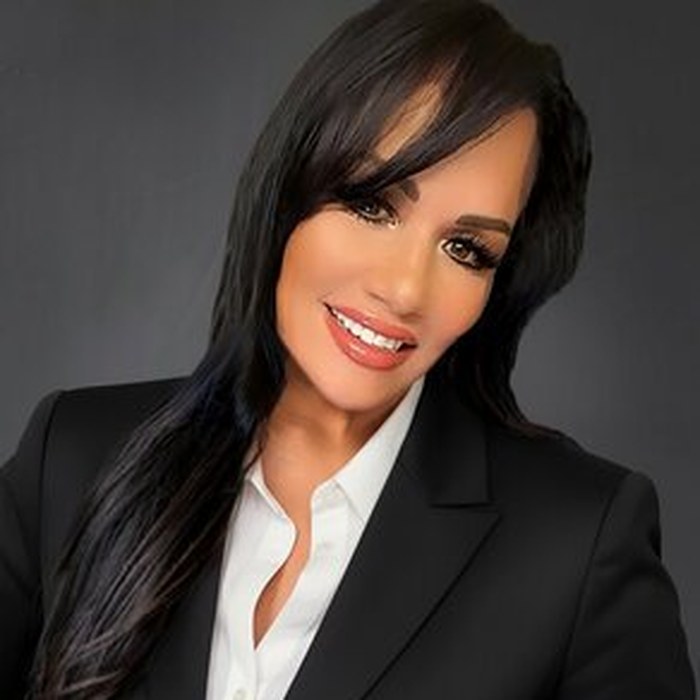
Karen Landrum is a seasoned technology executive with a proven track record of leading high-performance IT organizations in complex, mission-critical environments, with deep expertise in operational technology, enterprise systems, and team leadership.
Read more
Karen spent a portion of her career at Koch Industries, leading IT teams supporting the company's trading floor operations, where she was responsible for system reliability, performance, and alignment with fast-moving business demands, while fostering a culture of accountability and continuous improvement.
She later served as Chief Information Officer for North America at Van Leeuwen Pipe and Tube, providing strategic IT leadership across the region. Karen was best known for implementing effective workflow processes and developing strong, cohesive teams that improved operational efficiency, clarity of execution, and cross-functional collaboration.
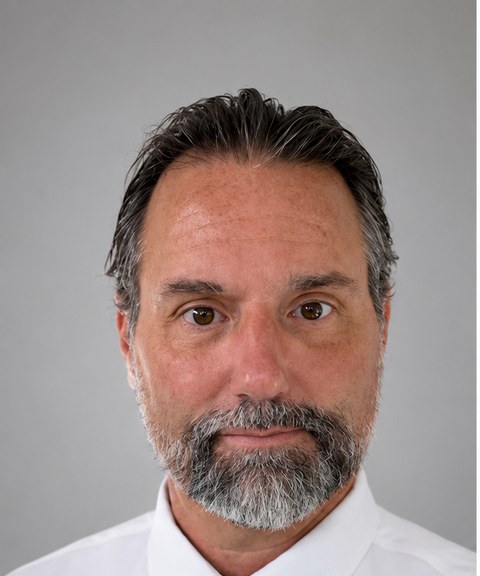
Patrick Dolan is a technology executive and product strategist with more than 25 years of experience commercializing emerging technology, with a long-running focus on the intersection of artificial intelligence, behavioral science, and mental wellness.
Read more
Patrick's interest in healthcare innovation began in 2017 with a research project examining how emerging technologies could identify meaningful changes in emotional well-being before they become crises. That work grew into Happyb.io, a personal initiative exploring how behavioral biomarkers and digital signals could help individuals understand and manage their own mental wellness. He built his career making complex technology approachable, holding senior leadership roles at GoDaddy, Virtuozzo, and Patmos, leading product strategy, partnerships, and commercialization for organizations ranging from Fortune 500 companies to venture-backed startups.
His career began in the early commercial Internet era, consulting with GE and Merck on their first e-commerce initiatives, and he has since built partnerships with Google, Microsoft, PayPal, AT&T, and hundreds of technology providers worldwide. He holds two US patents in domain registration. Patrick also serves as a startup mentor and advisor, and is an adjunct professor at Arizona Christian University.